Historical Overview of St. Matthew Lutheran Church
Hunker, Pennsylvania
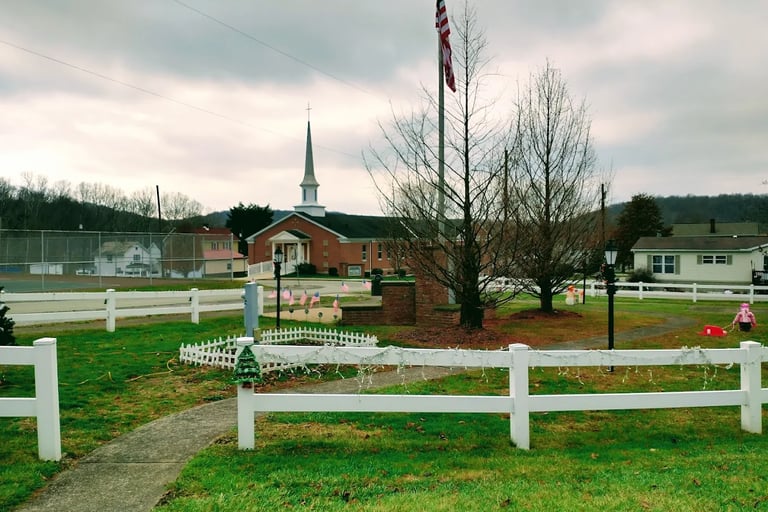
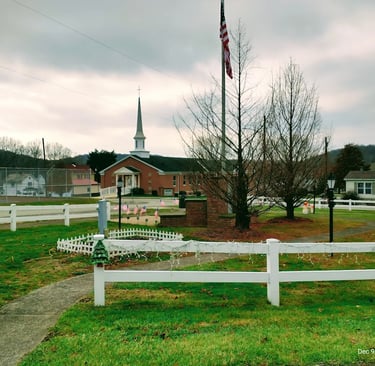
St. Matthew Lutheran Church has served the Hunker, Pennsylvania community for over a century, standing as a testament to the enduring faith and commitment of its congregation. Documentary evidence confirms that the church was active by 1902, as reflected in preserved parish records detailing baptisms, confirmations, marriages, funerals, and membership registers. These records indicate that the congregation was likely established in the late nineteenth or very early twentieth century, a period marked by significant growth in Lutheran congregations throughout southwestern Pennsylvania.
The founding of St. Matthew Lutheran Church aligns with the settlement patterns of German-American families who brought with them a strong Lutheran heritage and a commitment to organized worship, education, and community life. From its earliest years, the church functioned not only as a place of worship but also as a center for spiritual formation and fellowship, providing pastoral care and religious instruction to families in Hunker and the surrounding region.
Throughout its history, St. Matthew Lutheran Church has maintained its mission of proclaiming the Gospel and serving its neighbors. The congregation is affiliated with the Evangelical Lutheran Church in America (ELCA), reflecting a tradition grounded in liturgical worship, congregational participation, and service to others. Music, Christian education, and sacramental life have remained central elements of the church’s ministry across generations.
Beyond its religious role, St. Matthew Lutheran Church has contributed to the cultural and social fabric of the Hunker community. As local institutions evolved over time, the church remained a steady presence, offering continuity, support, and a shared sense of identity. Its history reflects both the perseverance of its members and the broader story of faith communities in Westmoreland County.
Today, St. Matthew Lutheran Church honors its historical legacy while continuing to serve as a place of worship, service, and community engagement. Rooted in its past and committed to its mission, the congregation remains dedicated to faithfully serving God and its neighbors.
Contact
We're here to listen.
Email and phone
Newsletter
(724) 925-9124
© 2025. All rights reserved.